Just like the weather, our moods change throughout the day. And the same way that all the possible weather conditions are natural and serve a purpose, all our different moods are just a part of being human: even the moods we find difficult sometimes, like sadness. OpenUp psychologist, Jan, explains why sadness shows up from time to time and how you can overcome it.
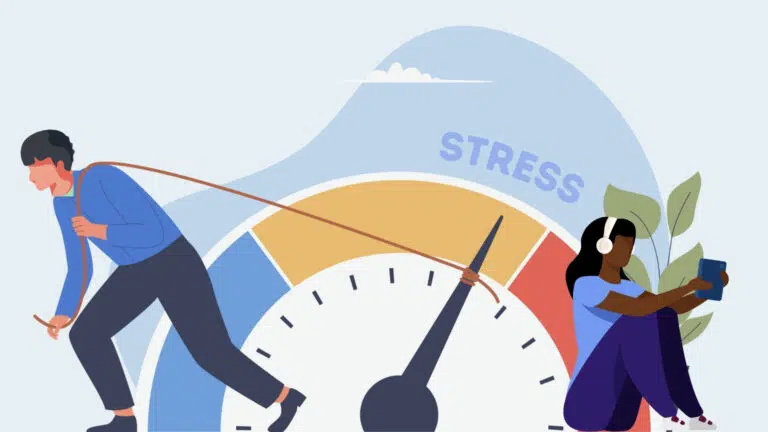
“Everyone feels a little overwhelmed sometimes – mentally or physically. In these situations, your mind and body issue a kind of warning alarm, but that alarm doesn’t always look the same. For example, you may suffer from tension and anxiety. Overwhelm can also translate into feelings of sadness: you’ll experience low energy and emotional volatility, and you’ll find yourself withdrawing from activities and other people. Everyone experiences sadness, it’s normal for your emotions to fluctuate throughout the week, and there’s no reason to worry if you’re having a bit of an off day.
You’re Not Powerless
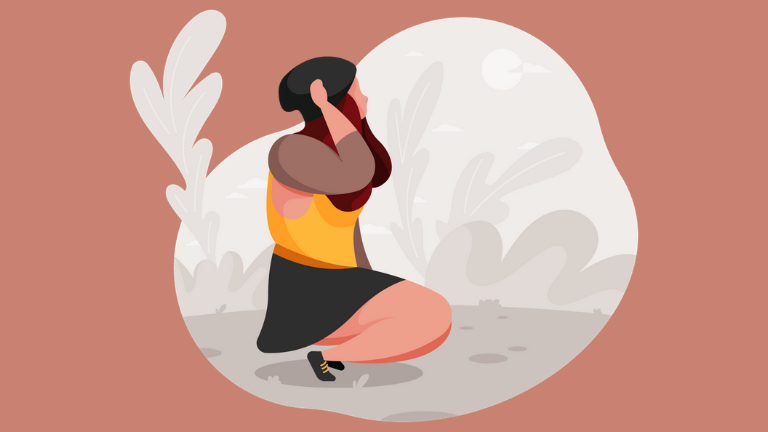
“If you’ve started to notice that your sadness is getting in the way of how you want to live your life – because, for example, it’s constantly stopping you from seeing your friends or you can’t motivate yourself at work – then it’s a good idea to examine what’s causing you to feel this way and what you can do to work on that. Sadness becomes quite a burden to carry when it’s a long-term thing, and it makes you feel powerless. That powerlessness will make you feel even more isolated and your behavior will become increasingly passive, which sends you into a downward spiral. When in fact, you are not powerless in the face of sadness. There are various activities and mindset shifts you can use to overcome sadness.”
Tips for Dealing with Sadness
1. Get out of the house
Sadness can have a paralyzing effect: you’ll want to stay inside, or even stay in bed. But giving into this temptation isn’t a great idea. Encourage yourself to keep getting out and about. By continuing to go outside and do the things you enjoy – for example, exercise or a nice walk – you’ll find that you have more energy and there’s less space for any sad thoughts.
2. Keep interacting with other people
It’s easy to underestimate how important it is to be surrounded by people who understand you and care about you – especially when you’re feeling sad. A sense of isolation will also increase your sadness: Try not to let this happen. Keep encouraging yourself to call people and follow through with any plans you’ve made with your loved ones – it’s a great way to blow off some steam.
3. Maintain a regular routine
Humans have thrived on routine and structure ever since time began. If you’re feeling sad, this structure is even more important. Get up at the same time every day, eat at regular intervals, schedule exercise and plan social activities. Try to resist the temptation to sleep during the day. By keeping yourself active, you’re giving your brain less time and space to sink further into sadness.
4. Don’t resist it
We tend to get annoyed with ourselves when we’re feeling sad – basically, we have quite a negative view of sadness. This means we become judgmental and self-critical, placing our feelings under a microscope. This only increases the sadness. Try to let yourself feel sad – as long as you’re taking good care of yourself, you’ll soon start to feel better.
5. Change your perspective
Remember that you are not your thoughts and feelings. If you see sadness as something that is separate from who you are, then you’re no longer making a distinction between the version of yourself who’s feeling sad and your normal happy self: They’re the same person. This makes it easier to stay active even when you’re feeling down. Instead of thinking, “I want to see my friends, but I’m sad and nobody will want to hang out with me” you can think, “I want to see my friends, even though I’m feeling sad. I’ll see if I still feel that way later.”
Is Someone Close to You Feeling Sad?
If somebody close to you is feeling sad, it’s natural to want to help. You often can’t solve whatever is making them sad, but there are things you can do to make them feel better. Just being there for them, without judgement or trying to talk them out of it, can be enormously supportive. Even the occasional walk or outdoor activity – such as grabbing a cup of coffee or playing tennis – can make a huge difference.
Would you like to talk to a psychologists one-on-one, and learn more on how to set boundaries? Feel free to book a consultation.