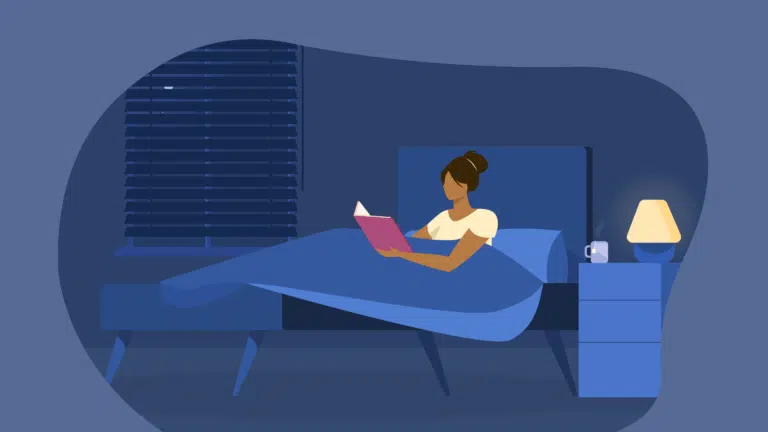

Working night shifts undeniably comes with its challenges. From a lack of sleep, disruption in your eating patterns, and impacts on social life, night shift work can certainly take a toll on your physical and mental well-being.
However, you can take steps to help you cope and protect your well-being. Let’s look at the health effects of working night shifts and explore actionable solutions below:
The Psychological Effects of Working Night Shifts
Working during the night can disrupt the body’s natural circadian rhythm, leading to several psychological effects. One of the most common challenges is sleep disruption. Research has shown that night shift workers often experience difficulties falling asleep during the day, leading to sleep deprivation and chronic fatigue. Over time, employees may develop shift work disorder, a condition characterised by insomnia symptoms when they attempt to sleep and excessive tiredness while they are at work.
Do you resonate with any of the above effects? If so, let’s look at solutions below to help you overcome them. 👇
How to Cope with Working Night Shift: Tips to Protect Your Mental and Physical Well-Being
There’s no denying that working night shifts is physically and mentally demanding. On a positive note, there are practical steps you can take to remedy the side-effects of night shift work:
1. Make your bedroom a relaxing space for sleep
• Sleep in a dark room: Natural daylight can affect your ability to sleep, so ensuring your bedroom is dark during the day is essential. Try to keep away from bright lights because they can hinder the production of melatonin, a hormone that the body creates to facilitate sleep. To produce melatonin more effectively, get some blackout curtains or blinds, or use a sleep mask that will block out light.
• Reduce noise disruptions: Although blocking out all daytime noises is impossible, you can promote a quieter environment by investing in noise-cancelling headphones, using earplugs, or even listening to white noise or binaural beats. Discover a playlist on Spotify or wherever you listen to music to help you sleep with these relaxing sounds.
🔎 Interesting Fact
Early research indicates that listening to binaural beats can reduce feelings of anxiety and improve your ability to fall asleep.
• Keep a tidy bedroom and minimise clutter: Before you sleep, aim to keep your bedroom as tidy as you can – it doesn’t have to be perfect, but keeping clutter at bay will positively impact your ability to keep your mind calm before you hit the hay. Remember the mantra: “Clean space, clear mind.
2. Enhance your sleep hygiene
Creating a bedroom environment that is conducive for falling asleep and staying asleep is a key part of sleep hygiene, particularly for those working night shifts. To promote healthy sleep hygiene, follow these tips:
• Ditch your devices: Using electronic devices (EDs) before bedtime negatively impacts sleep quality. To avoid this outcome, place your phone or other device out of reach. Instead of relying on your phone’s alarm clock to wake you, try a sunrise alarm clock for natural waking and even combating seasonal affective disorder (SAD).
🔎 Interesting Fact
According to PubMed research on 369 individuals, electronic device use for more than 30 minutes near bedtime was significantly associated with poorer sleep quality.
• Try a sleep meditation: Prior to getting ready for bed, put your device on do not disturb mode and tune into a meditation. Listen to this Guided Sleep Meditation for Better Sleep and Relaxation to help you unwind before bedtime.
3. Establish a consistent bedtime routine
• Keep your routine consistent: Following the same sleep schedule can be particularly tricky for night shift workers because they will potentially miss out on social activities and time to run errands. Schedule your sleep time in order to wake up close to the beginning of your next shift, rather than going to sleep immediately upon returning home. Also, try to resist the urge to hit the snooze button, as this can negatively affect your sleep quality. This is because when your alarm goes off, you’re usually nearing the end of your last REM cycle, and disrupting this can result in you feeling foggy and disoriented. Lastly, if you need to get up for work at night, consider using a light therapy lamp, which will mimic the effects of natural daylight.
🧠 Did you know?
The “split nap” schedule is highly effective, according to research by The Sleep Foundation. This involves sleeping for a few hours when you get home from work, then staying awake and taking a long nap that ends close to the start of your next shift.
• Prioritise wind-down time: Take advantage of whatever puts you in a state of calm such as soft music, light stretching, reading, or listening to a mindfulness meditation. You could also light a candle, have a bath, or enjoy the relaxing scent of essential oils in a diffuser. Try winding down with scents such as lavender, researched for its sleep-enhancing properties. This could be in the form of a pillow spray, a candle, or an essential oil.
4. Prioritise your physical well-being
• Aim for a balanced and nutritious diet: Nutrition plays a fundamental role in lifestyle, and sleep is no different: Growing evidence indicates that sufficient nutrient consumption is important for sleep. One large study found a lack of key nutrients, such as calcium, magnesium, and vitamins A, C, D, E, and K to be associated with sleep problems. To prevent deficiencies, aim for a balanced diet, full of whole foods, lean proteins, and plenty of fibre-rich fruits and vegetables. And, if you want to discover more about your nutrient levels, contact your healthcare provider for blood work testing.
• Focus on optimising your hydration levels: Staying hydrated and sleeping well requires a delicate balance. Overhydration may cause frequent urination, but dehydration can negatively impact your sleep. Aim to drink electrolyte-containing fluids (mineral water, electrolyte powders or supplements) that will support proper hydration while preventing disruptions during sleep. Avoid (or at least minimise) stimulants such as coffee, caffeinated tea and soda which will adversely impact your sleep.
Curious to learn more about prioritising your physical well-being? Read our article: Everyday Tips for Healthier Eating Habits
🧠 Did you know?
Caffeine taken 6 hours before bedtime has disruptive effects on sleep, according to a study conducted by the Journal of Clinical Sleep Medicine.
5. Focus on reducing your stress levels
• Try a body scan meditation: This is a technique of slowly concentrating on parts of the body and noticing any sensations or pains. To practise this technique, you should focus on a specific part of your body, one at a time. Want to practise? Try our Mindfulness Meditation Body Scan before you sleep.
• Take a warm shower or bath: Not only can this help you relax and de-stress, but it will also lower your body temperature which can help you fall asleep faster.
• Write down your worries and stressors: When you’re dealing with stress, writing down your worries can help you proactively address them. Keep a journal by your bed so you can write down any anxiety that may come up in the moments before bed. Writing down a to-do list for the following day can also help you to de-stress.
💡 Want to learn more about this topic? Read: How you can improve your sleep if you work in shifts
Summing it up
Although working night shifts is undeniably challenging, implementing simple steps into your daily routine will help you cope and protect your mental and physical well-being in the long run. Remember, coping with night shifts will look different for everyone, so if any of these tips didn’t resonate with you, please don’t put pressure on yourself to achieve them all! Instead, focus on the ones that seamlessly fit into your life with ease.
Need support while working night shifts?
FAQs about working night shifts
How can I stay awake during a night shift?
To stay awake on a night shift, try mixing a few simple tricks. Get up and move around now and then, keep some lights on, drink water, and snack on something light. Skip heavy meals, and if you need caffeine, have it early in your shift so it won’t mess with your sleep later.
How can I prepare for a night shift?
Get ready for a night shift by resting up ahead of time, eating something healthy, and keeping things dim if you’ll be sleeping later. It also helps to plan out your sleep and wind-down routine so the shift feels a bit easier.
How can I sleep better after a night shift?
After a night shift, it’s easier to sleep if your room is dark, quiet, and calm. Blackout curtains and earplugs can help, and sticking to a routine tells your body it’s time to rest. Try to avoid screens and caffeine before bed, and give yourself a little time to relax first.
How can I stay healthy while working night shifts?
To stay healthy on night shifts, look after both your body and mind. Make sleep a priority, eat well and often, drink plenty of water, and give yourself time to recover. Simple things like light exercise, mindfulness, or just taking a few minutes to relax can really help you feel better in the long run.