
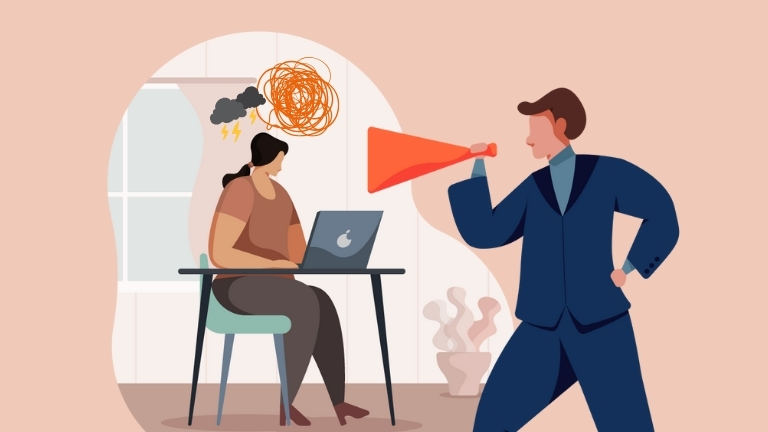
Micromanagement is when a boss watches every little thing their employees do and tries to control every step of the process. Some managers do it because they don’t trust their team to handle things on their own or find it difficult to let go of control. Others think it’s the best way to get things done right.
Either way, it usually backfires.
Nearly 75% of workers call micromanagement the biggest workplace red flag, and 46% say it’s reason enough to walk away from a job.
That said, the psychological effects of micromanagement can be severe. Constant oversight often signals a lack of trust, which undermines employees’ sense of autonomy and confidence. When employees feel like they’re always being watched, it takes a toll on their mental well-being. Instead of feeling confident and motivated, they become anxious, frustrated, and drained.
Work starts to feel like a chore rather than something they take pride in. Over time, this can lead to burnout, low morale, and even people quitting.
In this guide, we’ll discuss exactly how micromanagement negatively affects employees as well as help managers recognise the importance of empowering rather than controlling their teams.
How Does Micromanagement Impact Employees?
Micromanagement can impact employees in different ways. Let’s take a closer look.

The widespread practice of micromanagement can have significant negative psychological effects on employees. Some of them include:
- Increased stress and anxiety
- Drop in confidence and motivation
- Burnout and frustration
- Decreased productivity and engagement
- Strained work relationships
While managers may believe close oversight ensures accuracy and quality, the reality is often quite different. Instead of creating efficiency, micromanagement often creates an environment of distrust and tension.
Employees quickly become demotivated, losing the drive to innovate or contribute beyond the minimum requirements, which can then lead to quiet quitting. For example, employees who feel constantly monitored may stop sharing ideas or taking initiative, focusing instead on doing only what is required to avoid criticism.
Understanding the psychological effects of micromanagement is crucial to preventing lasting harm to both employees and the organisation.
Let’s take a closer look at each negative psychological impact.
Increased Stress and Anxiety

When micromanaged, instead of focusing on their work, employees worry about every small decision because they know their boss will pick it apart. This kind of pressure can make even simple tasks feel overwhelming.
Psychologist Britt Slief from OpenUp observed the following in her conversations: “One client described rereading emails multiple times before sending them, worrying about wording and tone after repeated experiences of their manager correcting even minor details. What used to take minutes gradually became a source of tension and self-doubt.”
A survey conducted by Trinity Solutions highlighted that 71% of workers felt micromanagement interfered with their job performance, and 85% reported a negative impact on morale.
This constant oversight fosters a culture of distrust, making employees feel undervalued and apprehensive about their tasks.
The persistent pressure can result in chronic stress, potentially leading to burnout. As previously mentioned, nearly 3 out of 4 workers perceive micromanagement as a significant workplace red flag, with 46% considering leaving their jobs because of it.
These statistics underscore the detrimental psychological effects of micromanagement, emphasising the need for managers to adopt more empowering leadership styles.
Drop in Confidence and Motivation

When employees are micromanaged, they start to doubt themselves. If every decision is questioned and every task is controlled, people stop trusting their own judgment. Instead of taking initiative, they wait for approval on everything because they don’t want to get it wrong.
Over time, this kills motivation. Work stops feeling meaningful when there’s no room for creativity or independent thinking. Employees feel like they’re just following orders instead of contributing something valuable.
Micromanagement also makes people disengaged. If their efforts are consistently dismissed or corrected, they stop trying as hard. They might still do their job only because they have to – not because they care. Employees do the bare minimum to get through the day when confidence is low and motivation is gone.
Britt shares with us: “One client described how she gradually stopped sharing ideas during meetings after her manager repeatedly questioned and revised her suggestions. Even when she had strong ideas, she chose to stay silent, feeling that her input no longer mattered.”
Burnout and Frustration

Micromanagement can also lead to increased frustration and burnout. When supervisors excessively control and scrutinise every aspect of their team’s work, it creates an environment of distrust and constant pressure. This relentless oversight can cause employees to feel undervalued and stressed, decreasing job satisfaction and mental well-being.
Gallup’s global workplace report shows that employee burnout identifies unmanageable workload and lack of role clarity as primary contributors to burnout. When managers nitpick every detail, employees feel drained and lose their sense of purpose.
Work becomes exhausting, not because of the workload itself, but because of the constant feeling of being watched and corrected. This ongoing tension prevents mental recovery and accelerates emotional exhaustion.
Frustration builds up when employees feel like their efforts are never good enough. Instead of feeling valued, they feel stuck in a cycle of redoing tasks to meet unrealistic expectations_._ Eventually, many give up and either disengage or leave the job entirely.
Decreased Productivity and Engagement

Micromanagement slows everything down. When employees have to wait for approval on every little task, work gets delayed. Instead of making decisions and moving forward, they spend their time checking in with their boss, which wastes time and drains motivation.
According to a survey conducted by staffing firm Accountemps, 59% of employees reported having worked under micromanagers. Of those affected, 68% experienced lower morale, while 55% saw their productivity decrease.
Instead of thinking creatively or taking initiative, employees focus on avoiding mistakes. They become passive, waiting for instructions instead of solving problems on their own. When people feel like they have no control over their work, they check out mentally, and that hurts both their performance and the company’s success. Over time, this lack of autonomy reduces both engagement and a sense of ownership over the work.
Strained Workplace Relationships
The psychological effects of micromanagement extends beyond individual stress – it damages workplace relationships. When a manager constantly controls every detail, trust between employees and leadership breaks down.
They don’t feel as part of a team. They feel like they’re being treated as incapable or untrustworthy.
This tension can spread to coworkers as well. When some employees receive more scrutiny than others, resentment builds. Collaboration suffers because people become more focused on avoiding criticism than working together effectively, and in the end, this will lead to lower levels of trust and teamwork in the workplace.
Over time, constant micromanagement creates a culture of frustration and detachment. Employees are less likely to communicate openly or support each other when they feel like they’re under constant surveillance.
A workplace that should be built on cooperation and mutual respect turns into an environment filled with tension and dissatisfaction.
Britt confirms this with an example from her conversations: “One client shared that he stopped asking colleagues for input because feedback was often overridden by their manager. This led to distance within the team.”
How to Effectively Address Micromanagement?
Recognising the damage micromanagement causes is only the first step. The real challenge lies in creating meaningful change, whether you’re a leader looking to adjust your management style or an employee trying to navigate a difficult work environment.
According to workplace well-being experts at OpenUp, building trust, fostering autonomy, and prioritising mental health are essential foundations for healthier workplace dynamics.
Britt: “In conversations with employees, a common experience is that once expectations and responsibilities are clearly defined, managers tend to step back. One client described how structured check-ins replaced constant interruptions, creating more space for focused work and improving team dynamics.”
Here are actionable strategies to address micromanagement and rebuild a healthier, more productive work culture.
Establish Clear Boundaries and Expectations
One of the most effective ways to combat micromanagement is by setting clear boundaries from the start. When expectations, responsibilities, and deliverables are well-defined, there’s less perceived need for constant oversight.
Actionable steps:
- Have an open conversation with your manager about preferred communication frequency and check-in schedules
- Document project goals, deadlines, and success metrics so everyone is aligned on what “done” looks like
- Propose weekly update meetings instead of daily interruptions, giving you space to work while keeping leadership informed
- If you’re a manager, resist the urge to intervene unless explicitly asked or if deadlines are at risk
Setting boundaries isn’t about shutting people out. It’s about creating a framework where both autonomy and accountability can thrive. Boundaries are only effective when they are applied consistently over time.
Build Trust Through Autonomy and Delegation
Trust is the antidote to micromanagement. When managers trust their team members to deliver results, they naturally step back from excessive control. Fostering psychological safety and giving employees autonomy leads to higher engagement and better performance.
Actionable steps:
- Managers should delegate meaningful tasks and resist the urge to take over when things don’t go exactly as planned
- Start small: give employees ownership of specific projects and evaluate outcomes rather than processes
- Employees can build trust by consistently meeting deadlines and proactively communicating about challenges or delays
- Celebrate wins publicly to reinforce confidence in team capabilities
Research shows that employees who have choice in deciding what tasks to do, when to do them, and how to approach them are 43% less likely to experience high levels of burnout.
Prioritise Open Communication and Feedback
Micromanagement often stems from anxiety, fear of failure, or a lack of information. Creating channels for honest, two-way communication can address these root causes and reduce the impulse to over-control.
Actionable steps:
- Schedule regular one-on-one meetings focused on support rather than surveillance
- If you’re being micromanaged, express how it impacts your work using “I” statements: “I feel more productive when I have space to problem-solve independently”
- Managers should ask for feedback on their leadership style and be willing to adjust based on what they hear
- Create an environment where team members feel safe to voice concerns, ask questions, and admit mistakes without fear of punishment
Psychological safety forms the foundation of burnout prevention. When people feel safe to speak up about workloads and challenges, they’re less likely to reach breaking point.
Recognise Early Warning Signs and Take Action
Both employees and managers need to stay alert to the warning signs that micromanagement is taking a toll on mental health. Catching these patterns early can prevent long-term damage like chronic stress, burnout, and turnover.
Warning signs to watch for:
- Increased sick days or habitual absence
- Withdrawal or tension in team interactions
- Difficulty sleeping, persistent headaches, or physical symptoms of stress
- Loss of motivation or declining performance
- Employees hesitating to make any decisions without approval
Britt emphasises that these signs often appear gradually and are easy to overlook in high-pressure environments.
Actionable steps:
- Conduct regular well-being check-ins, not performance reviews, but genuine conversations about how people are feeling
- Employees should track their stress levels and energy over time to identify patterns
- If you notice burnout symptoms in yourself or your team, don’t wait – seek support from HR, a mentor, or a professional coaching service
- Organisations should consider offering mental well-being support through programs that provide employees access to psychologists and stress management resources
Invest in Professional Support and Development
Addressing micromanagement often requires more than internal adjustments; it may call for professional development, coaching, or external mental health support.
Leaders may need training to recognise their controlling tendencies, while employees might benefit from tools to cope with workplace stress and rebuild confidence.
Actionable steps:
- Managers should participate in leadership coaching focused on empathy, trust-building, and empowering leadership styles
- Organisations can offer workshops on stress management, communication skills, and building resilience
- Employees experiencing the psychological effects of micromanagement should consider speaking with a licensed psychologist or coach to process their experiences and develop coping strategies
- HR teams should create accessible pathways for employees to report concerns and access mental health resources confidentially
Platforms like OpenUp provide tools to support these habits, offering employees 24/7 access to psychologists and self-directed learning resources for building everyday resilience.
Wrap Up
The psychological effects of micromanagement are far-reaching and damaging to both employees and organisations. Such behaviour creates stress, erodes trust, and can lead to frustration and burnout.
That’s why leaders need to shift their focus to empowering employees rather than controlling every aspect of their work. Give people room to do their jobs. Set clear expectations, then step back.
Talk openly about what’s working and what’s falling apart. Watch for warning signs before they become resignations. And if the problem runs deep, bring in professional support.
A healthy workplace requires leaders who empower their teams, and employees who feel valued enough to actually care about the work they do.
| This article is written by guest author Ben Hadley | |
 | Ben doesn’t buy into “the way it’s always been done.” He’s spent his career challenging hiring norms and rethinking what remote work should feel like. At Remployee, he helps create honest tools and opportunities for people tired of the gig economy’s empty promises. |