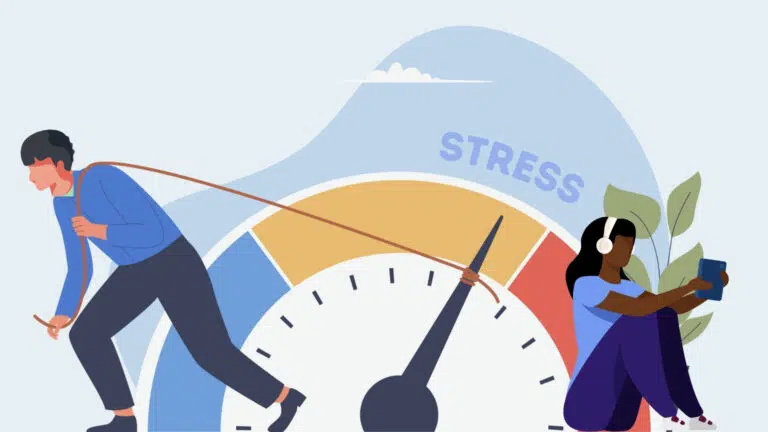
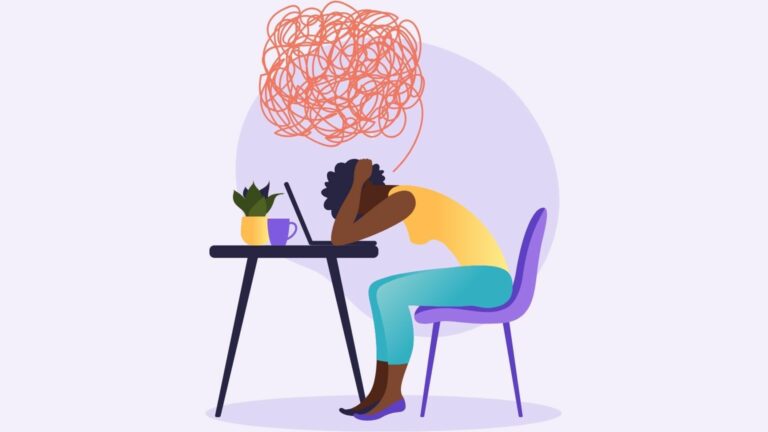
Ever felt like you’re running on empty, with nothing left to give? That feeling might be more than just everyday tiredness. You might be experiencing burnout.
This is not to make you feel worried or alone in this struggle. Studies have shown that nearly half of the global workforce is struggling with this.
But what is burnout, really?
Burnout goes far beyond feeling exhausted after a busy week. It’s a state of complete emotional, physical, and mental depletion that develops gradually over time. Psychologist Britt explains that it often feels like your system is running on empty, no matter how much rest you get. “One client described it as feeling like a phone stuck on 1% battery, even after a full night’s sleep.”
When you’re experiencing burnout, you might feel:
- Constantly drained, even after rest
- Emotionally distant from your work or relationships
- A sense of reduced accomplishment or effectiveness
- Increasingly cynical or negative about your job
- Physically unwell with headaches, sleep problems, or digestive issues
This long-term exhaustion affects not just how you feel, but how you function in all areas of life. You might notice yourself feeling empty, going through the motions without engagement, or watching your physical and mental health deteriorate.
Awareness of this challenge gives you power over it.
Let’s explore the warning signs that might indicate you’re heading toward burnout and what you can do about it.
What is Burnout?
According to the World Health Organisation, burnout is defined as an occupational phenomenon resulting from chronic workplace stress that hasn’t been successfully managed. It’s officially recognised in the International Classification of Diseases (ICD-11) as something that can significantly impact your well-being.
“While this definition is helpful, I often see in my sessions that burnout doesn’t stop at the workplace, it affects your whole sense of self.” Britt adds.
Think of burnout as the difference between a sprint and a marathon you never signed up for. A sprint leaves you winded but you recover. A forced marathon without water stops? That’s closer to burnout.
What makes burnout different from everyday stress is its persistent nature and comprehensive impact. While regular tiredness improves after rest, burnout doesn’t simply disappear after a good night’s sleep or a weekend off.
When you’re experiencing burnout, you become emotionally and physically drained in ways that affect every part of your life. Your depleted energy doesn’t bounce back with typical recovery methods. Britt: “From a psychological point of view, burnout disrupts your nervous system’s ability to recharge.”
The three key dimensions that define burnout are:
- Feelings of energy depletion or exhaustion
- Increased mental distance from your job, or feelings of negativism or cynicism related to your work
- Reduced professional efficacy (feeling ineffective at your job)
Britt: “In my sessions, I often hear clients say things like: ‘I’m doing everything on autopilot.’ These aren’t signs of laziness. They’re signals of a system that’s overwhelmed and shutting down.”
It’s important to understand that burnout develops gradually. It’s the result of ongoing stress that builds up over months or even years, not something that happens overnight.
Burnout meaning goes beyond temporary feelings. It represents a chronic state where your emotional and physical resources have been continuously depleted without adequate replenishment.
Unlike a tough week that you can push through, burnout fundamentally changes how you feel about your work and often spills over into your personal life as well.
Let’s explore if you might be experiencing everyday stress or are closer to a burnout.
Recognising Burnout Symptoms
Burnout doesn’t arrive suddenly with a dramatic entrance. It sneaks up on you gradually, which is why so many people don’t recognise the signs until they’re feeling burnt out and struggling significantly.
The tricky part? Many burnout symptoms can masquerade as everyday stress at first. But unlike typical stress that comes and goes, burnout symptoms persist and worsen over time if not addressed.
Britt mentioned that she often sees clients who “function well” on the outside: meeting deadlines, showing up for others, while inside they feel completely depleted.”
Let’s break down the signs of burnout into four dimensions so you can better spot them in yourself or others:
Emotional Symptoms
- Persistent irritability, even in situations that wouldn’t normally bother you
- Emotional detachment or feeling numb about work you once enjoyed
- Unexplained mood swings that colleagues or family members notice
- A sense of failure and self-doubt that lingers regardless of achievements
- Feeling trapped with no way out of your circumstances
Physical Symptoms
- Extreme fatigue that sleep doesn’t seem to fix
- Frequent headaches or muscle pain without obvious cause
- Changes in sleep patterns, either insomnia or oversleeping
- Reduced immunity, getting ill more frequently
- Changes in appetite or digestive issues
Cognitive Symptoms
- Difficulty concentrating on tasks that used to be easy
- “Brain fog” that makes decision-making feel overwhelming
- Decreased satisfaction and performance at work
- Problems with memory and attention to detail
Behavioural Symptoms
- Withdrawing from responsibilities or isolating from others
- Procrastinating and taking longer to complete routine tasks
- Using food, alcohol, or other substances to cope
- Taking frustrations out on others
You might notice what’s called “high-functioning burnout,” where you continue to perform outwardly while experiencing emotional exhaustion internally. This is common but makes it especially difficult to recognise it in yourself.
Nervous exhaustion symptoms often overlap with burnout but can include more pronounced physical manifestations like trembling, heart palpitations, or dizziness.
Remember, experiencing a few of these occasionally doesn’t necessarily mean you have burnout. But if several symptoms persist for weeks or months, it might be time to take a closer look at what’s happening.
Now that we can spot the warning signs, let’s explore what’s actually causing burnout in so many people.
What Causes Burnout? Main Triggers to Watch For
Understanding what causes burnout means looking at the conditions that create it. Rarely does burnout have a single cause, it’s more like a perfect storm of factors that gradually wear you down.
Think of burnout as a bucket slowly filling with water. Each stressor adds another drop, and without proper drainage, eventually it overflows.
External Factors That Contribute to Burnout
- Unmanageable workload. When “busy season” never ends and you’re constantly drowning in tasks
- Lack of control over your work or schedule
- Unclear job expectations or conflicting demands
- Dysfunctional workplace dynamics or poor management
- Little recognition or reward for your efforts
- Values mismatch between you and your organisation
But work isn’t the only source of chronic pressure. Many people experience overload from:
- Caregiving responsibilities for children, parents, or ill family members
- Financial strain that forces you to work multiple jobs
- Relationship difficulties that drain emotional resources
- Major life transitions happening simultaneously
Personal Risk Factors
Your internal wiring can also make you more vulnerable to burnout:
- Perfectionism that makes it hard to delegate or feel satisfied
- People-pleasing tendencies and difficulty saying “no”
- Type A personality traits that push you to overachieve
- Poor boundary-setting in professional and personal life
- Limited support network or reluctance to ask for help
Let’s be clear: experiencing burnout isn’t a personal failing. It’s often the result of systems that encourage work-life imbalance and constant productivity.
For instance, Jane might be managing her workload fine until her company downsizes. Suddenly she’s doing two jobs, caring for an elderly parent, and can’t remember the last time she took a day off. The tension grows until your body or mind says: “Enough.”
The pandemic has intensified many of these triggers. Remote work made it easier to overwork and harder to connect. It became harder to lean on others when the whole world felt off-balance. Britt: “Burnout doesn’t always come from doing too much, it also comes from doing too much alone.”Recognising these risk factors doesn’t mean you’re destined for burnout. This awareness gives you power, not pressure.
Next, let’s look at which people are at a higher risk of burnout. This understanding can enhance prevention.
High-Risk Profiles for Burnout. Let’s Look at Who’s Most Vulnerable.
Personality styles and life circumstances can quietly increase the risk of burnout. Understanding who might be at higher risk can help you spot early signs of burnout in yourself or loved ones. For example, neurodiverse individuals, with autism or ADHD would be at higher risk.
Professionals with High Levels of Empathy
People in caring roles often become emotionally overextended as they absorb others’ struggles:
- Healthcare workers (doctors, nurses, therapists)
- Educators and childcare providers
- HR professionals and managers handling others’ problems
- Social workers and community support staff
The constant emotional demands in these high-pressure roles can gradually drain energy reserves, both mentally and physically.
Personal Vulnerability Factors
- Limited support systems. People who lack close relationships or feel they can’t share struggles
- Previous burnout history (making you more susceptible to recurrence)
- Underlying mental health conditions like anxiety or depression
- Traumatic history that may reduce stress resilience
- Perfectionism and high-achieving tendencies that push you beyond reasonable limits
Having these traits doesn’t guarantee burnout, but they can make it harder to recognise burnout symptoms before they become severe.
Britt shares: One of my clients, a high-achieving professional who had recovered from burnout years ago, came back to me after noticing the same warning signs creeping in: waking up tired, losing joy in her work, and being overly self-critical. Because perfectionism was still part of her internal wiring, she needed active reminders to prioritise rest and to redefine what “enough” looks like.
Environmental Risk Factors
- Working in chronically understaffed environments
- Facing tight deadlines with inadequate resources
- Lacking autonomy over your work or schedule
- Navigating toxic workplace cultures with poor management
These conditions can lead to burnout even in people who normally manage stress well. It’s not about weakness, it’s about unsustainable circumstances.
So what can you do if you fall into these risk categories? Let’s explore practical prevention strategies next.
Burnout Prevention Starts with Workplace Culture
When it comes to job burnout, waiting until people are already suffering isn’t effective. True prevention requires building a foundation of organisational well-being long before symptoms appear.
Although employee wellness programs have a proven impact on absenteeism, the most powerful antidote to workplace burnout goes beyond that. It’s about creating a culture of care where people feel valued, heard, and supported.
What Does a Burnout-Resistant Culture Look Like?
- Psychological safety where people can speak up without fear
- Flexibility that acknowledges life outside work
- Reasonable workloads with adequate resources
- Clear expectations and communication
- Autonomy over how and when work gets done
- Recognition that celebrates effort, not just results
These elements aren’t nice-to-haves, they’re essential protections against burnout.
The Employer’s Role in Prevention
Organisations that successfully prevent burnout take these proactive steps:
- Train managers to spot early warning signs and have supportive conversations
- Implement clear mental health policies and resources
- Conduct regular, honest check-ins about workload and stress
- Model healthy boundaries from leadership down
- Create psychologically safe spaces for feedback
Britt mentioned she once worked with a manager where weekly check-ins became a turning point. Initially, people were hesitant to share stress levels, but as psychological safety grew, so did the honesty. Over time, team members began flagging pressure early. Really helpful.
Think about it this way: would you rather invest in building a strong fence at the top of a cliff or pay for ambulances at the bottom?
At OpenUp, we help organisations build that protective fence through coaching and awareness programs. We’ve seen how providing easy access to mental health support can dramatically reduce job burnout recovery time and even prevent it entirely.
Why is this important? Almost half of employees worldwide suffer from burnout:

Small changes can make a big difference. 83% of employees felt they recovered or, at a minimum, improved their well-being challenges due to OpenUp’s service.
The good news? Creating this protective culture benefits everyone, not just those at high risk.
But what if you’re already feeling the symptoms of burnout? Let’s explore practical strategies to help you on the road to recovery.
How to Recover from Burnout
If you’re experiencing burnout, your recovery journey begins with acknowledging where you are. Be gentle with yourself. The path back to feeling like yourself takes time and patience.
Three Pillars of Burnout Recovery
- Intentional rest: Not just sleep, but activities that restore your energy without demands
- Gentle structure: Creating predictable routines that provide security without pressure
- Emotional support: Connecting with people who understand without judgment
Remember that regaining balance happens gradually, not overnight. Your body and mind need time for healing.
At OpenUp, our psychologists can guide you through early-stage recovery from burnout, helping you establish boundaries and rebuild your emotional reserves. We focus on practical tools for energy restoration and mental reset.
For more severe burnout where daily functioning is significantly impacted, we partner with iPractice (founded by the same founder as OpenUp), to provide comprehensive clinical care. Their specialists offer structured therapy designed specifically for job burnout recovery.
The most important thing to know? Recovery is possible. With the right support, you can not only heal from burnout but develop stronger protection against future episodes.
Our article on how to recover from burnout goes more in depth to support you with this.
Now let’s look at when it might be time to seek professional support.
Diagnosis & Seeking Help
When does feeling tired cross the line into burnout? This question troubles many people experiencing persistent exhaustion and mood changes.
When to Seek Professional Help
It’s time to consult a GP or mental health professional if you’re experiencing:
- Nervous exhaustion symptoms that don’t improve with rest
- Difficulty functioning at work or home for more than two weeks
- Feelings of detachment or cynicism that won’t lift
- Physical symptoms like persistent headaches, digestive issues, or sleep problems
- Thoughts of hopelessness or feeling trapped
Clinical burnout requires proper assessment, not just self-diagnosis. Your doctor may use structured questionnaires like the Maslach Burnout Inventory or the Copenhagen Burnout Inventory to evaluate your symptoms.
The Care Pathway: From Coaching to Therapy
At OpenUp, we believe in matching the right level of support to your needs.
For early signs of chronic stress, our coaches provide practical strategies to prevent full burnout. This might include boundary-setting exercises, stress management techniques, and lifestyle adjustments.
But sometimes you need more. That’s where our seamless referral system with iPractice comes in.
When symptoms suggest a mental health condition requiring clinical care, we’ll help connect you with iPractice’s licensed psychologists who specialise in how to recover from burnout. Their structured therapy programs are designed to treat burnout through evidence-based approaches.
There’s support at every step, tailored to where you are. You’ll receive the right support whether you’re experiencing mild stress or need a professional diagnosis and treatment plan.
Remember: seeking help isn’t a sign of weakness, it’s a powerful step toward healing. Many people find that getting proper support helps them not just recover, but emerge stronger than before. As Britt shared, you don’t go through this process alone, but together, with the right support and understanding by your side.
FAQs about Burnout
What is burnout?
Burnout is a state of deep physical, emotional, and mental exhaustion that happens after long periods of stress. It often shows up as feeling detached from your work or responsibilities, struggling to concentrate, and feeling like no amount of rest is ever enough. It’s not just about being tired, it’s about feeling completely drained.
What does burnout feel like?
Burnout can feel like your internal battery is permanently low. You might wake up tired, feel emotionally numb, or find everyday tasks unusually overwhelming. Even things you used to enjoy may start to feel like a burden. It’s a mix of exhaustion, frustration, and a sense of being stuck.
How do you deal with burnout?
Start by giving yourself permission to pause. Dealing with burnout often means taking a step back, identifying what’s causing the overload, and making space to recover. It also helps to talk to someone, a therapist, coach, or trusted person, to help regain clarity and support your next steps.
How can you avoid burnout?
Avoiding burnout starts with being honest about your limits. Build in regular time to rest, set boundaries around work, and don’t ignore early signs like constant fatigue or irritability. Staying connected to others and asking for help when needed can also protect your mental well-being. Prevention is an ongoing habit, not a one-time fix.
How do you deal with job burnout?
Job burnout is more than work stress, it’s when your role starts to feel emotionally and mentally depleting. To deal with it, start by having an open conversation with your manager or HR. Small changes to your workload or environment can help. You may also benefit from support like coaching or workplace mental health tools.
How do you treat burnout?
There’s no single fix for burnout, but treatment often includes rest, emotional support, and rethinking how you manage stress. Many people benefit from therapy, coaching, or structured recovery plans. It’s important to take things slowly and rebuild your energy without rushing. The goal isn’t just to feel better, it’s to heal better.
How long can burnout last?
Burnout doesn’t have a set timeline. Some people feel better within weeks, while others need a few months or more, especially if the stress has been going on for a long time. Recovery usually takes longer if the signs were ignored early on. Giving yourself time and support makes a big difference.
What causes burnout?
Burnout is caused by ongoing stress that you’re not able to fully recover from. That might come from too much responsibility, a lack of control, or constant pressure at work or home. It often builds up slowly and it’s rarely just one thing. It’s the result of too much, for too long, with too little support.
What is burnout at work?
Burnout at work happens when job stress becomes overwhelming and chronic. It can be caused by heavy workloads, unclear expectations, lack of recognition, or feeling unsupported. Over time, it can lead to emotional exhaustion and even make you dread going to work. That’s why early signs shouldn’t be ignored.
How do you manage burnout?
Managing burnout means stepping back to rest and reevaluate, but also making long-term changes. That could include setting firmer boundaries, adjusting your responsibilities, or seeking help from a therapist or coach. It’s about doing less of what drains you and more of what restores you.
How can I help someone with burnout?
Be present, not pushy. Someone with burnout may feel overwhelmed or ashamed, so offering support without pressure is key. Just listening and reminding them that they don’t have to go through it alone can help more than you think. Encourage them to get professional help when they’re ready.
How can you reduce burnout in the workplace?
Reducing burnout in the workplace starts with creating a culture that values mental well-being. Encourage open conversations, offer flexibility, and make sure workloads are realistic. Managers should lead by example by setting boundaries and checking in regularly with their teams. Early support, like access to coaching through platforms such as OpenUp, can help prevent stress from escalating. When deeper care is needed, referrals to clinical partners like iPractice ensure employees get the right level of support.
How do you beat burnout without quitting your job?
Beating burnout doesn’t always mean walking away from your role. It might mean shifting how you work, renegotiating expectations, or setting firmer boundaries. You can also explore coaching, therapy, or workplace resources to help you reset. Recovery is possible, even if you stay right where you are.