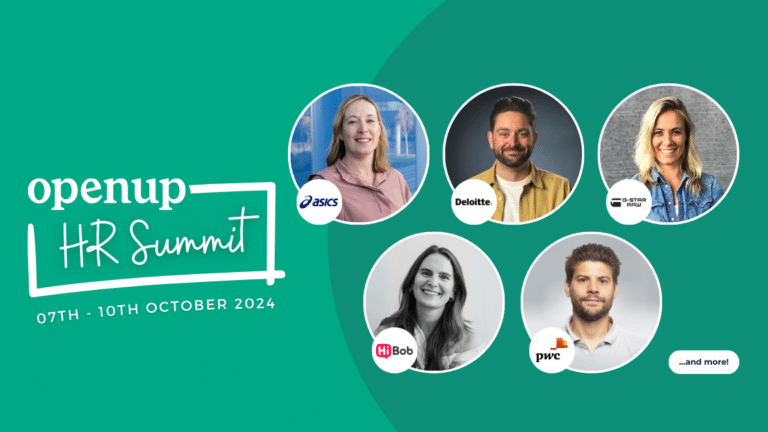
In 2024, HR professionals are at the forefront of driving change, fostering well-being, and creating a resilient workforce. If you’re looking to stay ahead of the curve, dive into the key takeaways of the OpenUp HR Summit 2024. Gain actionable insights, learn from industry leaders, and empower your organisation with cutting-edge HR strategies.
What is the OpenUp HR Summit?
The OpenUp HR Summit is a premier event designed specifically for HR professionals, leaders, and decision-makers who are passionate about enhancing employee well-being and building a thriving workplace culture. This summit brought together some of the brightest minds in HR to share their expertise, real-world experiences, and innovative solutions.
Here’s why the OpenUp HR Summit stands out:
- Top-Notch Speakers: Learn from industry leaders, who will share their insights on topics ranging from mental well-being to diversity and inclusion.
- Exclusive Content: Access unique sessions and workshops that offer practical, actionable strategies you can implement right away.
- Networking Opportunities: Connect with like-minded professionals and industry experts, expanding your professional network.
- Interactive Q&A Sessions: Engage directly with speakers during live Q&A sessions, where you can ask questions and gain personalised advice.
Key Takeaways
Our HR Summit is designed to address the most pressing challenges facing HR professionals today. Rewatch the session recordings from the HR Summit on YouTube.
1. Mental Well-being in Hybrid and Remote Workplaces
How to create a supportive, connected, and healthy work culture in the digital era.
💡Trust over visibility – In remote work, trust your employees to deliver results without micromanaging. Visible work doesn’t always mean productive work – it’s the impact that matters.
💡Purpose-driven connection – In remote teams, it’s crucial to help each other connect to the bigger mission. Open communication, like “open mic” sessions, keeps everyone focused on the shared goals.
💡 Structured flexibility – A 4-day work week can boost productivity and work-life balance, showing that less can truly be more when done right.
2. How to Promote the Well-being of Non-Desk Workers
Effective solutions that meet the unique challenges and needs of on-the-go employees.
1️⃣ Tailored Well-being – Non-desk workers have unique needs, especially physical ones, so well-being programs must be adapted to their specific roles and regional demands, promoting resilience before busy seasons.
2️⃣ Normalise Mental Health Conversations – Breaking the stigma around mental health is crucial, with managers leading open discussions. Early, consistent efforts to integrate well-being into the culture are key.
3️⃣ Effective Communication Channels – Reaching non-desk workers requires using multiple channels (events, apps, offline) and repeating key messages. It’s essential to find the best communication method for different employee groups.
3. The Role of Managers in Workplace Well-being
New ways to support and empower managers to drive positive change.
🗣️ Empathy Over AI: While AI is poised to take over more routine tasks, the human side of management will become even more important. Managers need to listen carefully, show empathy, and engage in meaningful conversations with their teams, emphasising the importance of emotional intelligence and personal connection.
🗣️ Supporting Young Managers: Younger or newly promoted managers often face challenges in balancing performance goals with well-being responsibilities. They must be trained to handle these conversations and given the space to self-reflect, learn from peers, and receive support.
🗣️ Impact of Personal Life Events: Managers play a vital role in supporting employees during significant personal life events, such as childbirth or relationship issues. These moments are critical for building trust. A manager’s involvement during such times has a long-lasting impact on the employee’s overall well-being and sense of belonging in the workplace.
4. Measuring Mental Well-being in the Workplace
Key metrics and insights on the impact of prioritising mental well-being.
💡 Tailor Well-being Initiatives to Personas: Well-being is not one-size-fits-all. Creating personas based on age, gender, and nationality helps target specific interventions that work best for different employee groups.
💡 Trust is Key: Transparency about how survey data is used is vital. Building trust ensures employees feel secure in sharing their true feelings, especially across different cultures.
💡 Managers as key drivers: By fostering psychological safety and leading by example, managers create supportive environments. Their insights are crucial for measuring well-being and identifying team needs in real-time.
Meet the Speakers
Our lineup of HR Summit speakers featured some of the most influential voices in the HR world:
- Bas Vliegenhart – Lead Wellbeing, PwC
- Katja Meeuwsen Nass – VP HR, ASICS,
- Marieke Pepers – CPO, Nmbrs
- James Owen Lewis – Global Human Sustainability Leader, Deloitte
- and so many more!