
Have you ever considered how deeply connected our mental and physical well-being are? Our day-to-day well-being relies on a delicate balance between our mental well-being and lifestyle. In this article, we’ll explore six fundamental pillars of lifestyle essential to overall well-being. And, to help you achieve this, we’ll also share practical tips on gaining balance.
The 6 Pillars of Lifestyle
Lifestyle is a broad term that covers many different aspects and day-to-day habits. However, for the sake of clarity, we will focus on six core pillars in this article. These pillars form the foundation of the principles of lifestyle medicine which focuses on helping individuals to eat more healthily, stay active, sleep better, improve social connections and mental well-being, and reduce harmful substance use.
According to the Oxford Reference a healthy lifestyle “includes activities and habits that encourage the development of total physical, mental, and spiritual fitness, and which reduces the risk of major illness. Healthy activities and habits include regular exercise; a balanced, nutritious diet; adequate sleep and relaxation; abstaining from smoking and taking nonessential drugs; and moderating the intake of alcohol”.
Below, you will find the 6 pillars in more detail:

1. Stress Management
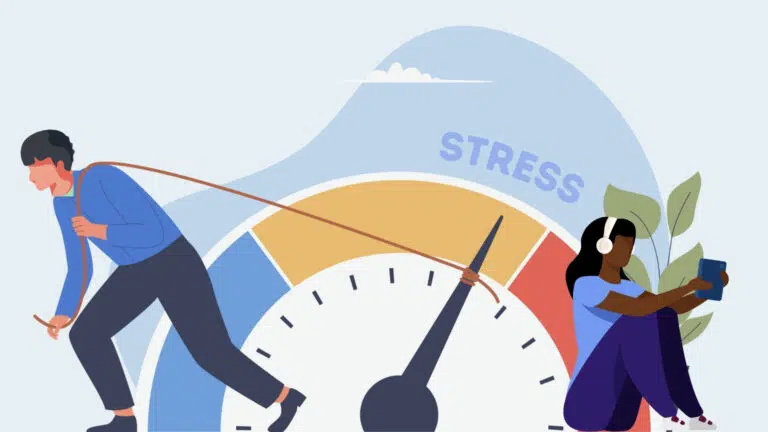
Stress management is defined as the tools, strategies, or techniques that reduce stress and the negative impacts stress has on your mental or physical well-being. A variety of techniques can be used to manage stress. These include mental, emotional, and behavioural strategies. It’s the knowledge that we are separate from our problems and the belief that we can handle those problems.
These techniques—which we can practise and develop—form integral components of effective stress management:
- Self-acceptance: Fully embracing your true self, recognising both strengths and areas for growth, and being comfortable with who you are.
- Sense of purpose: Feeling connected to a broader purpose or community, which provides a sense of belonging and meaning in life.
- Accurate perception of reality: Recognising that our thoughts are not always accurate reflections of reality, and avoiding assumptions or mind-reading.
- Desire for growth: Continuously seeking opportunities for personal development, learning, and self-improvement, which fuels progress and adaptability.
- Emotional resilience: Building the ability to recover from setbacks and adversity, maintaining mental fortitude in challenging situations.
- Pursuing interests: Engaging in hobbies and activities that bring joy and fulfilment, enriching your life and providing a sense of purpose.
- Optimism: Cultivating a hopeful outlook and believing that positive outcomes are possible enhances resilience and motivation.
- Taking action: Proactively making decisions and taking steps to improve your situation, rather than adopting a passive approach and waiting for change.
Although it is not always possible to accomplish everything on the above list, being willing to work on aspects that you find challenging is a great first step to achieving enhanced mental well-being.
2. Minimising Harmful Substances
A core pillar of lifestyle is the minimisation of harmful substances. This includes abstaining from smoking, reducing excessive alcohol consumption, and avoiding addictive substances and behaviours such as gambling or excessive internet or social media use. Although avoiding such behaviours is an integral part of leading a healthy lifestyle, it’s equally important to recognise that addiction issues affect many individuals. If you or a loved one is affected by this, seeking psychological guidance is essential.
3. Healthy and Positive Relationships
From family and friends to romantic partners and colleagues, relationships constitute the most meaning in our lives. Study after study shows that our relationships are our primary source of happiness. Positive relationships provide a safe space for authenticity, allowing each person to express their thoughts and feelings openly. In positive relationships, both parties contribute to each other’s growth and well-being, fostering a sense of connection and belonging.
💡Visit our Relationship Theme Page to help you deepen connections with friends, family, partners, and colleagues.
4. Healthy Eating
Maintaining a balanced diet is essential for your overall well-being and forms an integral component of a healthy lifestyle. It provides the body and mind with essential nutrients, energy, and compounds necessary for optimal functioning and disease prevention. A balanced diet is about consuming a variety of foods in the right proportions, ensuring our bodies get the necessary nutrients for optimal well-being. We can focus our attention on two key nutritional components: macronutrients, (carbohydrates, proteins, and fats) and micronutrients (vitamins and minerals), aiming to achieve balance as much as possible.
🥝 Read more about the importance of healthy eating in our article: Achieving Well-being With a Balanced Diet
5. Sleep
Sleep is a crucial biological function, essential for our overall well-being. When we sleep, complex processes for physical and mental restoration take place. Sleep supports tissue repair, immune function, hormone regulation, emotional processing, and cognitive maintenance, making it fundamental for overall well-being. The environment in which we sleep also plays a pivotal role in the quality of our rest. Factors such as light exposure, ambient noise, and room temperature affect not only our ability to fall asleep but also the quality of sleep we achieve. Adjusting these factors to create a sleep-friendly environment can significantly enhance our sleep health.
💤Curious to learn more about enhancing your sleep? Take our self-guided course Sleeping Better
6. Physical Activity
The British Society of Lifestyle Medicine prioritises regular exercise as a mechanism to help us live longer, reduce periods of ill health in our lives and increase our overall “healthspan”. Being more active can help to prevent developing a range of chronic health conditions including heart disease, stroke, type 2 diabetes and even certain types of cancer. It has also been shown to reduce the risk of frailty in old age.
In addition to its physical benefits, exercise has also been shown to increase well-being. According to a Move Your Mental Health™ Report, of 1,158 studies examined, 89% found a positive association between movement and mental well-being. If you’re just starting with exercise, remember to take care of and listen to your body: start with a realistic exercise goal, build up gradually, and focus on finding movement that fits your lifestyle rather than adhering to an intense exercise regimen.
🏃🏽Explore this topic in more detail with our article: The Top 4 Benefits of Physical Activity for Your Well-being
Tips for achieving a balanced lifestyle
Achieving balance across all aspects of our lifestyles and mental well-being is not possible for the majority of us. Instead of trying to reach ‘’perfection’’ in every aspect, aim instead to take small steps to make incremental progress. Start by asking yourself the following questions, and take note of which questions you answer ‘’no’’ to:
- Do you wake up in the morning with enough energy for the rest of the day?
- Are you satisfied with your social life?
- Do you have certain goals that you want to, and can, achieve?
- Do you feel content with your life?
- Are you able to do the things you love?
- Do you feel nourished by the food you eat?
- Are you able to participate enough in social activities and society?
- Do you feel seen, heard, and understood?
- Are you being held back in your life by physical pain or discomfort?
- Can you recover (relatively) quickly after a physical or mental setback?
- If life would be like this for the rest of my life, would it be worthwhile?
Don’t be hard on yourself if you have not answered ‘’yes’’ to all of these questions. Some parts of our lives are more nuanced, and we may experience lower or higher levels of well-being at different life stages. The important thing to remember is that we can make small changes to enhance our lifestyle and well-being. Consider the following tips to help you achieve this:
- Take your time: Progress with small steps, take one pillar from the list and work on a small aspect of your life that you can change. For example, if you want to move more, aim for a 20-minute walk at lunch rather than a gym session every day. This approach will be more sustainable and enjoyable in the long run.
- Keep trying: If you do not succeed immediately, it is not a failure, just try again when you feel ready. Progress is never linear, and some weeks may feel better than others. The important thing is to pick yourself up and keep going.
- Reach out for help: Just like anything in life, reaching out to your support network can help you tackle your challenges. Whether it’s a friend, family member, partner, or colleague, getting external support is integral to improving your lifestyle and well-being.
Looking for more guidance on strengthening your well-being? Our team of lifestyle experts are here to help! Book a 1:1 session to bring you closer to achieving your lifestyle goals through guidance on topics such as movement, nutrition, sleep, and more.