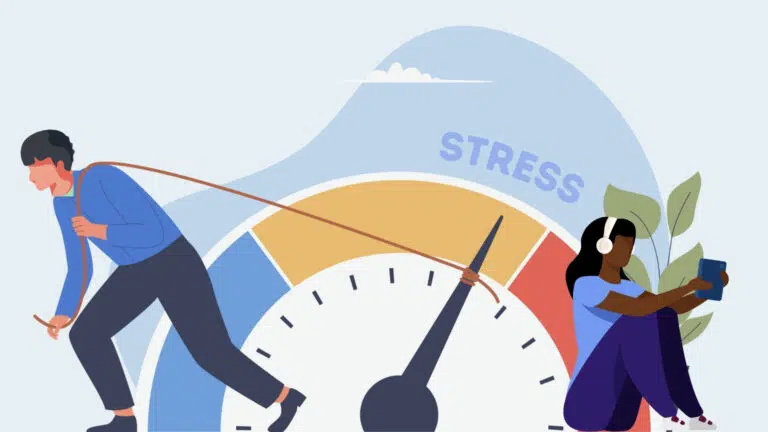

Living and working abroad, you face daily challenges from navigating grocery store aisles with unfamiliar products to decoding public transportation schedules in a language you’re still learning. The excitement of moving abroad often comes with significant stress and anxiety. Have you found integrating into a new culture more challenging than you expected? You’re not alone.
According to a survey by InterNations, over 64% of expats report significant challenges in integrating into the local culture, which can elevate stress levels and affect mental well-being. In this article, we explore the mental well-being challenges you may face as an expat and offer 5 practical tips to manage stress, adapt successfully, and thrive in your new environment.
Understanding the Challenges
The thrill of living in a new country often comes with the daunting task of navigating cultural differences. These can range from simple misunderstandings in daily interactions to more profound feelings of disconnection and loneliness. Let’s delve deeper into the common obstacles you may face in your new environment:
- Culture Shock: Adapting to new cultural norms can be challenging. Imagine you are in a business meeting where directness and clear communication are valued. Perhaps you are used to more subtle hints and gentler discussions. Direct criticism or open disagreement here might seem abrupt or confrontational. Such differences can make daily interactions complicated and confusing, making you feel disoriented or misunderstood.
- Language Barriers: Struggling with the local language can complicate everyday activities, from shopping to socialising. This often leads to feelings of isolation and being misunderstood, as you navigate both simple and complex interactions in an unfamiliar language.
- Adjustment Strains: Adapting to different work cultures, navigating unfamiliar healthcare systems, and managing time differences with family back home can add to your stress. Each of these elements requires you to learn new norms and routines, which can be overwhelming as you settle into your new life abroad.
- Isolation: Being far from family and friends can deepen loneliness and homesickness. Time differences complicate staying in touch with loved ones, enhancing feelings of isolation. Additionally, the frequent turnover in expat communities can make it hard to form lasting friendships, further contributing to a sense of instability.
- Identity Issues: Adapting to a new cultural environment can often lead to a sense of lost identity or feeling out of place. Balancing your cultural identity with the need to adapt to the host culture adds complexity to living abroad. Additionally, long periods away from your home country can weaken your sense of belonging there. For example, returning home might feel unfamiliar, disconnecting you from both cultures. This dual disconnection can deepen the struggle with identity, making it difficult to pinpoint where you truly ‘belong’.
How to Strengthen Your Expat Mental Well-Being
Recognising these challenges is crucial in your journey as an expat. With a clearer understanding of what you’re up against, let’s now shift our focus toward practical tips and strategies. These are designed not just to help you manage these difficulties, but also to empower you to thrive in your new environment.
1. Stay Connected with Home
- Regular Communication: Use digital technology to stay in touch with friends and family. Video calls, social media, and instant messaging can make your loved ones feel just a click away.
- Visits Home: If possible, plan visits back to your home country to reconnect with your roots and maintain strong ties with your support network.
2. Build and Maintain Your Support Network
- Join Expat Groups: Engage with local expat communities through clubs or online forums. These groups offer a platform to meet others likely experiencing similar challenges.
- Social Integration: Participate in local events and cultural activities. This not only helps in understanding the local culture but also in forming new friendships.
3. Focus on Developing Cultural Sensitivity
- Reflect on Your Views: Understanding that our worldviews are deeply influenced by our cultural backgrounds is crucial. Embracing cultural humility involves recognising this and actively seeking to appreciate and respect diverse perspectives. This mutual exchange enriches both expats and the local community, fostering a more inclusive environment.
- Educate Yourself: Learn about the local customs, norms, and cultural reasons behind behaviours. This knowledge can prevent misunderstandings and foster mutual respect.
4. Embrace the New Culture
- Cultural Immersion: Try local foods, learn about local traditions, and participate in cultural activities. Keep an open mind when approaching new experiences. This can enhance your sense of belonging and reduce feelings of isolation.
- Learn the Language: Even basic knowledge of the local language can greatly improve your daily interactions and increase your confidence in navigating your new environment.
5. Set Realistic Expectations
- Patience is Key: Adapting to a new place has its ups and downs—it’s normal. One day you might master the bus schedule, the next you could struggle to order food. Remember, alternating between good and challenging days is completely normal.
- Celebrate Small Successes: Take the time to recognise and celebrate each small victory along your adaptation journey, from understanding a local joke to making a new friend or talking in the local language. These moments boost your confidence and contribute to a more positive feeling about your expat experience.
Living abroad is undeniably challenging, but also profoundly rewarding. Remember, you are not alone in this journey. Many have walked this path and found fulfilling ways to integrate and thrive in new environments. By employing these strategies, you empower yourself to not just survive, but enjoy living in your new home.
If you are feeling overwhelmed or need support navigating your challenges, it might be helpful to talk to a professional. Feel free to book a 1:1 session with one of our experts to focus on developing strategies to cope with cultural adjustments, manage your stress effectively, and how build a supportive network in your community. Personalised advice from our experts can make a significant difference in enhancing your well-being and ensuring a smoother transition.