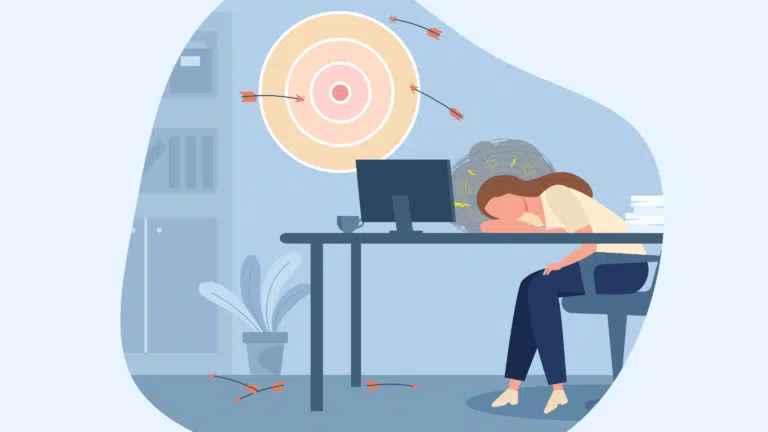

Emotions and feelings: They make life incredibly rewarding, but they sometimes also make life incredibly difficult. What’s the best way to tell somebody they’re making you angry? And what do you do if end up crying in front of all your colleagues at the office? OpenUp psychologist, Jasmijn, explains why it’s sometimes hard to talk about your feelings and emotions – and how you can learn to do it anyway.
Jasmijn: “Opening up emotionally basically means that you need to be able to talk about two different types of feelings and emotions: the positive and the negative. We’re usually pretty good at expressing positive emotions, but when it comes to negative emotions, things get trickier. This is partly because we like to feel that we’re “one of the gang” and we’re worried that if we express too many negative feelings and emotions, we’ll end up isolated and excluded. We also don’t like to burden others with our problems, and we sometimes have the sense that our “inner world” is too complex for others to truly understand. Additionally, things we experience growing up can play a major role here: as small children we usually cry without restraint, but as we get older, we may witness dismissive reactions to overt displays of negative emotion. Whether that’s people laughing when we’re angry or ignoring us when we cry, we receive the message that this behavior will be rejected.”
Time for a New Normal
“Along with your personality and personal experiences, the media and social media can influence the way we express our feelings and emotions. Indeed, through these channels we’re constantly seeing people display their positive emotions much more loudly and obviously than they would their negative ones. You could definitely say that this creates a false sense of normalcy – essentially, we start to think it’s abnormal to experience negative emotions. Think about your own behavior: when you’re experiencing joy, you probably share this with at least ten people – whether that’s at home, at work or online. If you’re feeling really bad, you might maybe call one close friend. It’s a shame because those who talk about difficult feelings and emotions with other people feel a greater sense of connection and experience stronger relationships. Additionally, you’re much more likely to receive the comfort and support you need.”
Tips for Talking about Your Feelings
Talking about your feelings and emotions is really worthwhile. Certainly, for yourself because it helps you to form connections and offers relief. But the people in your life will also appreciate it — for example, they might see it as a sign that you trust them. It is important to be mindful, however, about when and where you choose to share your feelings and emotions with others – sharing too much and without any boundaries might overload or even harm the person you’re talking to, and it may make you unnecessarily vulnerable. Balance is the key word here; you need to keep examining each relationship to see where that healthy middle lies. The following tips might help you with this.
1. Figure out what’s holding you back
Check in with yourself: why are you finding it difficult to talk about certain feelings? What thoughts keep coming up? For example, are you worried what other people will think? Or that they’ll react in a certain way? And are these thoughts actually true?
2. Focus on the benefits of sharing
Write down all the positive outcomes of sharing your feelings with another person. Maybe it will help you get the support you need. Or provide some comfort. Also write down how you would feel if that was indeed the case.
3. Flip the script
Maybe you’re afraid of what other people will think if you share your feelings. Flip the script and focus on the people in your life who are making themselves vulnerable. How do you feel about them? So often we judge ourselves much more harshly than we would ever judge others.
4. Decide who you’d like to speak to
Of all the people you know, who do you feel the safest with? And why is that? Figure out what’s important to you when you’re looking to confide in somebody: Are they a good listener for example? Maybe they give good advice. Identify the people in your life who meet these criteria.
5. Decide how you’d like to share this information
A conversation is maybe the obvious choice, but there are many ways to talk about your feelings. You could use WhatsApp, for example, or even send a letter or email. There are even card games you can buy if you need a little help starting a conversation about your feelings.
6. Create a safe environment
If you’ve decided to talk about your feelings with somebody, consider where you’d like to do that. Is your home the right environment? How about a quiet forest? Maybe you find it easier to talk in crowded places? Choose the location where you feel most comfortable.
7. Don’t expect too much from yourself — or the person you’re talking to
It’s okay to take small steps when talking about your feelings: Pick an easy topic and slowly get more personal, keeping a close eye on how you feel. Don’t assume that the person you’re speaking to will respond perfectly, and if you can, clearly state your wishes. “I just want to talk, but I don’t need any advice,” for example. Or: “I’m having a hard time talking about this and I’d like some advice.”
8. Be mindful of your own boundaries
Ask yourself beforehand: Do I really want to have this conversation or am I just doing it because I think it’s expected of me? Challenge yourself to be vulnerable, but don’t overstep your own boundaries. If necessary, write down in advance what you’d like to talk about.
9. Practice and celebrate your little victories
Did you manage to start a conversation? That’s something you should be proud of, even if the conversation was only short, and it didn’t quite turn out the way you wanted. Focus on the positive steps you’re making.
10. Be sincere
You’re in a vulnerable position when you’re talking about your feelings, and so is the listener as they open up to receiving your feelings and emotions. Make sure to enter the conversation respectfully, and choose your words carefully. Use “I” sentences (“I feel that” instead of, “You make me feel this way”) and try to be sincere about what you’re feeling.
Would you like to talk to a psychologists one-on-one, and learn more on how to set boundaries? Feel free to book a consultation.