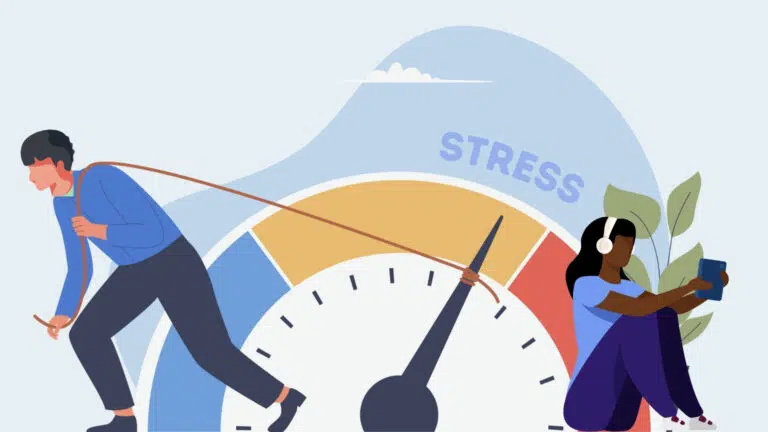

Autistic burnout is a state of deep physical, emotional, and mental exhaustion, often accompanied by a loss of function, like struggling to speak, think clearly, or manage daily tasks.
It’s not simply being tired or overworked. Autistic burnout is unique to autistic individuals, often triggered by long-term masking, sensory overload, and constant social pressure.
A real story from practice
Psychologist Britt Slief shares the experience of an anonymous client we’ll call Alex, a 28-year-old graphic designer:
“Alex had been masking his autistic traits for years, pushing through noisy meetings and constant social interactions. One day, he couldn’t get out of bed. He stopped responding to messages. He didn’t know what was happening but he knew something was seriously wrong.”
Why it matters
Autistic burnout is still widely misunderstood, even by healthcare professionals and workplaces. This article will help you:
- Recognise the signs
- Understand why it happens
- Learn how to recover (or support someone who is)
- Take action before things escalate
What is Autistic Burnout?
Autistic burnout is a form of extreme exhaustion that’s specific to autistic individuals, often defined by autistic-led research groups such as AASPIRE and the National Autistic Society as a state of chronic depletion caused by long-term neurotypical expectations.
It goes far beyond being tired, it often includes a loss of speech, emotional regulation, or even basic skills like planning or remembering tasks.
It’s not just tiredness, it’s a shutdown
Unlike typical burnout, autistic burnout is usually caused by:
- Chronic sensory overload
- Extended masking (hiding autistic traits)
- Long-term social or emotional strain
“In our sessions, Alex described feeling completely shut off,” Britt shares.
“He wasn’t just tired , he was losing words, forgetting basic tasks, and emotionally withdrawing.”
This kind of full-body shutdown is a protective response to an overwhelming world, one that builds up over time and often goes unnoticed until it’s severe.
Recognising the Symptoms of Autistic Burnout
Symptoms of autistic burnout can vary, but most build up gradually and may go unrecognised for weeks or even months. These symptoms are noted in first-hand accounts and qualitative research studies.
Common signs include:
- Extreme fatigue, even after rest
- Heightened sensitivity to sound, light, or touch
- Loss of executive function (difficulty with focus, memory, speech)
- Shutdowns or meltdowns
- Social withdrawal and emotional numbness
Patterns to watch for
“Alex’s burnout didn’t appear overnight,” Britt recalls. “He was constantly fatigued, avoided social contact, and became extremely sensitive to light and sound. Eventually, even everyday tasks became too much.”
Symptoms can also cycle or repeat if changes to the environment or support system aren’t made.
What Causes Autistic Burnout?
Autistic burnout isn’t about weakness or laziness, it’s about energy depletion from long-term overcompensation.
Common triggers include:
- Masking and people-pleasing
- Sensory discomfort that never gets resolved
- Lack of accommodations or support
- High-demand environments, like work or school
- Major life transitions (e.g. starting a new job)
Research studies consistently show that factors like masking, lack of accommodations, and environmental stressors contribute significantly to autistic burnout.
Britt explains: “Alex had been masking heavily at work, constantly adapting his behaviour to fit in. Burnout happens when someone runs out of the energy needed to keep doing that.”
Over time, this results in heightened stress, emotional exhaustion, and burnout.
Stages of Autistic Burnout
Autistic burnout often follows a recognisable cycle. Understanding the phases can help you prevent deeper burnout and recover.
The autistic burnout cycle has been formally observed in both clinical and lived-experience research, including a validated model published in Frontiers in Psychology.
1. Build-up
- What it looks like: Subtle signs of fatigue begin to appear. You might feel more irritable, less resilient to stress, or increasingly sensitive to sensory input.
- What causes it: Extended periods of masking, high social demands, and no time to decompress can slowly chip away at energy reserves.
2. Breakdown
- What it looks like: The body and mind begin to push back. Meltdowns or shutdowns may start happening more often. You might forget appointments, stop replying to messages, or experience sudden emotional dysregulation.
- What causes it: The strain of daily functioning becomes too much. There is simply not enough capacity left to “keep up”.
3. Withdrawal
- What it looks like: A full retreat from the outside world. Speech may become limited, or the person may communicate less or only in writing. You might appear numb or disengaged.
- What causes it: This is the nervous system’s way of protecting itself by reducing all unnecessary stimulation and conserving energy.
4. Recovery
- What it looks like: Slow, careful re-engagement with life. This might include reintroducing comforting routines, reconnecting with special interests, or regaining mental clarity.
- What it needs: Time, patience, and consistent support. Reducing demands, honouring energy levels, and preventing re-triggering are essential.
Without meaningful changes to the environment or expectations, this cycle can repeat. But with the right awareness and care, recovery is absolutely possible.
How to Recover from Autistic Burnout
Recovery isn’t instant, but it is possible. And it starts with honouring what your body and mind need.
Steps that help:
- Reduce sensory and social demands
- Re-engage with special interests
- Prioritise deep rest (physical, emotional, and sensory)
- Spend time alone and stim freely
- Set boundaries to protect recovery time
“We focused on deep rest, reducing social demands, and reintroducing things that brought joy, like drawing,” Britt shares. “By tuning into his sensory needs and energy levels, Alex slowly began to feel more stable.”
Support that makes a difference
- OpenUp: for early-stage preventative mental health support
- iPractice (a partner of OpenUp): for structured therapeutic care when recovery feels out of reach
Recovery takes time. Letting go of pressure and honouring your pace is a crucial part of healing.
How to Help Someone With Autistic Burnout
When someone you care about is burnt out, it can be hard to know what to do. But support doesn’t have to be complicated.
DO:
- Validate their experience
- Reduce pressure and demands
- Offer help with daily tasks (if welcomed)
- Create space for quiet and rest
- Use non-verbal check-ins like messages or notes
DON’T:
- Force communication or push for solutions
- Minimise what they’re feeling
- Expect quick recovery
Even small gestures can be powerful when someone is overwhelmed.
When to Seek Professional Support
Burnout doesn’t always resolve with rest alone. If symptoms persist, it may be time to seek professional help.
Signs it’s time:
- No improvement after extended rest
- Inability to perform daily functions
- Ongoing feelings of hopelessness or despair
Look for neurodivergent-affirming therapists who understand autism. At OpenUp, you can start with low-threshold support. For more complex or long-term care, we refer our clients to our partner: iPractice who offers structured therapy sessions.
Preventing Autistic Burnout in the Future
Prevention means learning how to manage energy levels and reduce overwhelm before it builds up.
Prevention tips:
- Identify energy drains and reduce them where possible
- Unmask where safe to do so
- Schedule recovery time after high-stimulation events
- Use OpenUp as early support when stress first appears
Burnout prevention isn’t about perfection, it’s about pacing yourself and respecting your limits.
OpenUp Can Help You Before Burnout Escalates
You don’t have to wait until you’re overwhelmed. OpenUp is here to support you before burnout takes over.
Britt’s advice? “Don’t wait until you’re running on empty. Early support can make all the difference.”
Whether you’re neurodivergent yourself or supporting someone who is, OpenUp offers accessible, preventative mental health care. If you’re already in deep burnout, iPractice can offer more intensive therapeutic support.
Taking action now can make recovery easier and life feel lighter.
Want to prevent autistic burnout by building a more inclusive workplace?
Explore practical tools and inclusive strategies for supporting neurodiversity in the workplace, shared by HR expert and bestselling author Saskia Schepers.
FAQs about Autistic Burnout
What is autistic burnout?
Autistic burnout is a state of deep mental, emotional, and physical exhaustion that happens when an autistic person experiences long-term stress without enough recovery. It often includes a loss of skills, like difficulty speaking, thinking clearly, or managing daily tasks, along with extreme sensitivity to noise, light, and social situations. It’s not just tiredness; it’s a full-body shutdown.
How to recover from autistic burnout?
Recovery begins with rest and not just physical, but sensory and emotional rest too. It means reducing social demands, limiting sensory input, and creating space to be fully yourself without masking. Spending time with special interests, setting firm boundaries, and getting support from others who understand autism can help rebuild energy over time.
How to help someone with autism if they are burnt out?
Start by believing them and reducing pressure. Autistic burnout can make even basic tasks feel overwhelming, so gentle support matters. Offer help with daily things if they’re open to it, like meals, errands, or creating quiet time. Don’t force interaction or advice. Just being a calm, understanding presence goes a long way.
How long does an autistic burnout last?
There’s no one-size-fits-all answer. Some people start to feel better in a few weeks, while others may need several months or longer to recover, especially if the burnout has been ongoing. Full recovery takes time, space, and support. The more someone is allowed to rest and unmask, the easier it becomes to heal.
Am I experiencing autistic burnout?
If you’re feeling more exhausted than usual, struggling to manage everyday tasks, avoiding social contact, or feeling like you’ve “shut down,” you might be experiencing autistic burnout. Other signs include heightened sensitivity, speech difficulties, and emotional numbness. If these symptoms persist, it’s important to slow down and seek support.