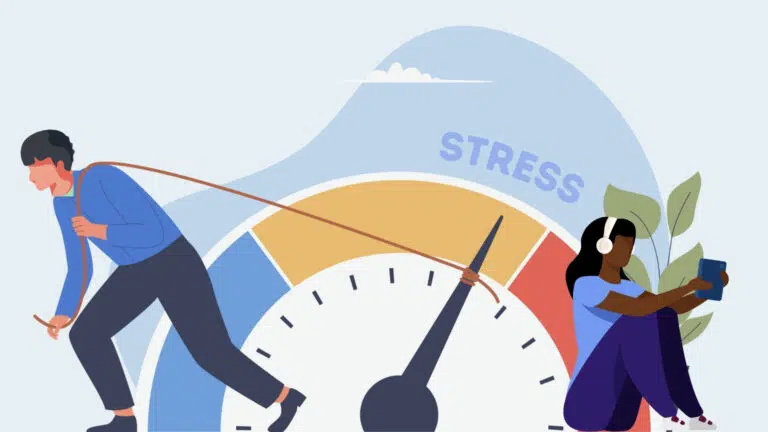
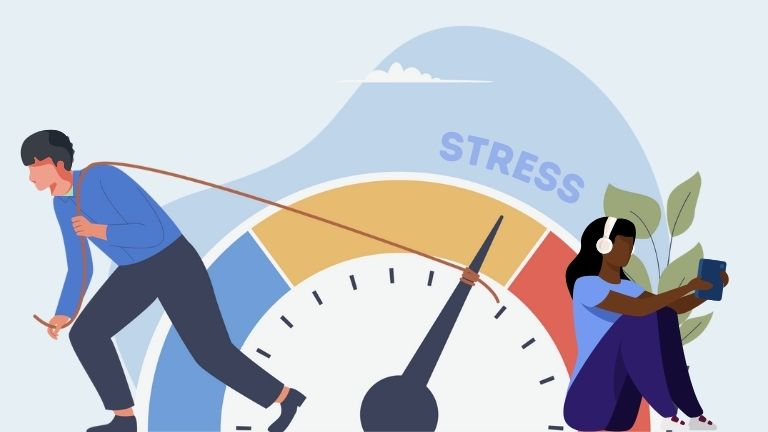
Maybe you’ve felt it for a while now, that constant tension in your body, racing thoughts that won’t switch off, or the sense of always being on. You try to keep going, but true recovery never comes.
This is work-related stress: the strain that accumulates when your body and mind lack true time to relax.
A certain amount of stress in the workplace can be beneficial. It helps you stay sharp and motivated. But too much, for too long, drains your energy and focus and impacts your health and safety at work.
Kim Schluter, psychologist at OpenUp:
“The difference really matters. We all experience stress; without it, we wouldn’t feel motivated to act. But when stress lasts too long, it becomes too much, with negative effects both physically and mentally.”
This article was reviewed by psychologist Kim Schluter and includes insights from OpenUp psychologists Gijs Coppens (founder and CEO), Judith Klenter, and Myrthe Weijschedé.
Before we explore practical strategies, let’s first understand the key features of workplace stress, how it presents itself, what causes it, and how you can move forward to regain control.
What Is Stress in the Workplace?
Workplace stress often stems from the balance — or imbalance — between what your job demands and what you can handle. As long as you get sufficient recovery time, stress can help you focus and perform. But when recovery is missing, stress keeps stacking up.
Judith Klenter, psychologist at OpenUp:
“You need a certain level of positive stress to stay focused and alert.”
Kim shares an anonymous client story:
“Anna started a new role in a new team and immediately encountered a heavy workload with little support. Pressure and lack of control built up quickly; now she’s at home, unsure how it escalated.”
Research shows that many employees experience stress at work:
- 32% face highly demanding tasks.
- 41% report little autonomy or a lack of control.
- 26% regularly experience conflicts with colleagues or managers.
- 17% face unwanted behaviour.
- 9% report high emotional demands.
This combination of pressure, low autonomy, and strained relationships with colleagues makes work-related stress a daily reality for many.
Employers also play a role. They must provide a safe, healthy work environment — one that supports open conversations about workload and mental well-being.
How to Recognise the Symptoms of Work-Related Stress
Stress symptoms at work start subtly: irritability, poor sleep, and trouble focusing may soon intensify.
Common symptoms of stress in the workplace:
Physical signs
- Headaches or constant neck and shoulder tension
- Trouble sleeping even when you’re exhausted
- Feeling physically and mentally drained
Mental and emotional signs
- Worrying about work even after hours
- Irritability or a short fuse
- Cynicism toward colleagues or tasks
- Feeling overstimulated by noise or social interaction
Behavioural changes
- Procrastination or frequent mistakes
- Withdrawing from team contact
- Becoming snappy or reactive
Thinking and focus
- Losing concentration during simple tasks
- Difficulty making decisions
- Forgetfulness and confusion
Gijs Coppens, OpenUp psychologist and founder:
“Recognising these symptoms of work-related stress helps you act early — before stress at work turns into burnout.”
These signs are warning lights (not signs of burnout). Our psychologists recommend acting early for easier recovery.
Common Causes of Workplace Stress
Workplace stress is usually caused by multiple interacting factors.
1. High workload and job demands
Too many tasks, unrealistic deadlines, or emotionally heavy work can create pressure that’s hard to sustain.
2. Low autonomy or lack of control
Unclear priorities, shifting expectations, or limited say in how you work reduce your ability to manage work-related stress.
3. Social and team dynamics
Tension, conflict, bullying, or limited support can strain relationships with colleagues and increase anxiety at work.
4. Work-life overlap
Family care, financial stress, or personal challenges that spill into work and vice versa.
5. Personal factors
Perfectionism, high self-expectations, or not taking time to rest can make you more vulnerable to work anxiety.
Kim shares another anonymous client story:
“Cara couldn’t work after losing her mother. It wasn’t just grief, work had pushed her limits too long, and this event tipped her over the edge.”
Myrthe Weijschedé, psychologist at OpenUp:
“Sometimes it’s a balance between what’s asked of you and what’s possible.”

When demands exceed energy, autonomy, and recovery, pressure turns to unhealthy stress.
How to Manage Work Stress and Regain Balance
When you recognise the signs, you naturally want to know how to fight stress at work. Our psychologists have created a complete article for tips to reduce workplaces stress — from quick tips to long-term strategies to help you develop long-term resilience.
Judith, psychologist at OpenUp:
“Sometimes something simple, like taking a day off, already helps.”
10 quick tips to manage work stress from our psychologists:
- Take short breaks during the day to recharge.
- Move regularly, even light exercise helps.
- Breathe deeply and consciously to calm your system.
- Set clear start and end times for your workday.
- Prioritise good sleep and consistent routines.
- Limit digital distractions after work.
- Talk openly with your manager or HR about workload.
- Eat nourishing meals to stabilise your energy.
- Plan time for hobbies and relaxation.
- Reach out for support if stress continues.
Kim Schluter:
“It’s not about what you do, but about choosing consciously. Whether it’s switching on your out-of-office or saying no to one more meeting — choose what truly helps you feel in control.”
👉 Read our psychologist’s complete guide on reducing your work-related stress with their short-term and long-term tips to start regaining control and experiencing the joy and peace of mind you deserve.

When to Seek Help for Work Related Anxiety
If symptoms last for weeks, affect your performance, or others express concern, it’s time to get support.
Who to talk to:
- Your manager or HR: Discuss workload, priorities, and recovery time.
- Your GP or occupational physician: Get a professional check and referrals.
- A psychologist or coach: Reflect on causes and learn practical tools to deal with stress.
Myrthe Weijschedé:
“After a period of accelerating, there should always be a phase of slowing down. “Don’t wait for symptoms to worsen. Seeking help as early as possible helps you feel stronger and faster.
Want some guidance in building mindfulness habits?
FAQs About Work-Related Stress
What is work-related stress?
Work-related stress is a reaction to prolonged job demands that exceed what you can handle. It’s a form of psychosocial strain caused by work pressure, lack of control, or limited support. Physically and mentally, you might feel tired, tense, or anxious. Without recovery, stress at work can turn into burnout.
What are the symptoms of stress in the workplace?
Symptoms of stress in the workplace include headaches, poor sleep, fatigue, irritability, and trouble focusing. You might feel stressed more easily, withdraw from colleagues, or notice physical tension. These are signs that your mind and body need rest.
What are job stress symptoms?
Job stress symptoms often show up as both physical and emotional exhaustion. You might experience muscle tension, emotional outbursts, or difficulty making decisions. These are early signs that your work pressure is too high.
How does workplace stress start?
Workplace stress starts when the balance between demands and your ability to recover is lost. High workload, lack of control, and strained relationships with colleagues all contribute to stress.
How can I manage work-related stress?
Take time to rest, move regularly, and set boundaries between work and home. Talk with your manager early about your limits. Practising self-care and open communication is key to managing stress in the workplace.
When should I seek help for work anxiety?
If you feel stressed for weeks, your concentration drops, or daily tasks feel heavier, consider talking to a psychologist. Small adjustments and timely support can help prevent long-term burnout.