Human life is full of transitions. For women*, transitions are particularly prominent throughout life – from puberty and the menstrual cycle, to pregnancy (for some), perimenopause, and menopause. Despite advancements in modern healthcare, menopause and female health in general remain underrepresented in medical research and public discourse. As a result, many women find themselves navigating this complex transition feeling uninformed, unsupported, and overwhelmed.
So how can you support your physical and mental well-being (or that of a loved one) throughout the menopause period? In this article, we’ll share more about the common signs and symptoms experienced, and lifestyle tips on supporting optimal well-being in this transition phase.
* Please note: In this article, we use the term “women” as a shorthand to refer to people who experience menopause. We recognise that menopause can affect not only cisgender women, but also some trans men, non-binary people, and others assigned female at birth. Our aim is to be inclusive and respectful of the diverse experiences of all individuals navigating this life stage.
What is Perimenopause?
Perimenopause, or menopause transition, is when the ovaries gradually begin to make less estrogen. You can think of it as the ‘’warm-up act’’ act before menopause begins. During this phase, it is common to experience symptoms of menopause before the menstrual cycle completely stops. This transition most often starts in women ages 40 to 44, with a typical duration of 4 to 8 years. However, individual age and duration periods can greatly vary.
What is Menopause?
Menopause is a biological stage when menstruation stops permanently due to the loss of ovarian follicular activity. During this transition, the body’s hormone production shifts dramatically. Estrogen and progesterone levels drop, triggering a cascade of changes. Most women experience menopause between the ages of 45 and 55, with a typical duration of 7 to 9 years. Just as is the case with perimenopause, individual age and duration periods can vary significantly.
Common Signs & Symptoms of Menopause & Perimenopause
The type and severity of symptoms experienced during perimenopause and menopause vary greatly from person to person. Some women may experience relatively mild symptoms, while others face more intense and disruptive changes that significantly impact their daily lives and overall well-being. Let’s take a look at some of the most common signs and symptoms below:
• Irregular periods: At the beginning of perimenopause, your menstrual cycle may become unpredictable as your ovaries produce less estrogen and progesterone. You might experience longer or shorter cycles, heavier or lighter flow, or skip periods altogether. This variability can last for several years. While inconvenient, it’s a normal part of the transition. However, if you experience very heavy bleeding or periods close together, consult your healthcare provider to rule out other conditions.
• Hot flashes and night sweats: These sudden waves of heat, often followed by chills, are hallmarks of perimenopause. They’re caused by your body’s altered response to temperature changes due to fluctuating estrogen levels. Hot flashes can vary in intensity and frequency, lasting from a few seconds to several minutes. Night sweats are hot flashes that occur during sleep, potentially disrupting your rest.
• Sleep disturbances: Many women report difficulty falling asleep or staying asleep during perimenopause. This can be due to night sweats, but hormonal changes can also directly affect your sleep cycle. Decreasing progesterone levels can make falling into deep, restorative sleep harder.
• Mental well-being changes: Hormonal fluctuations during perimenopause and menopause can affect your emotional well-being. You might experience irritability, anxiety, or mood swings. These changes are partly due to estrogen’s influence on neurotransmitters like serotonin, your body’s natural mood booster. Additionally, many women report anxiety, mental fogginess or feelings of depression through menopause. In addition to shifts in hormones, external factors, such as caring for elderly parents during this period can also contribute to mental well-being changes.
• Changes in libido: Your libido (also known as sex drive) may fluctuate during perimenopause. Some women experience decreased libido due to lower testosterone levels, while others might find their desire increases. Physical changes like vaginal dryness can make sex uncomfortable, indirectly affecting libido.
• Vaginal and urinary changes: Decreased estrogen levels lead to thinning and drying of vaginal tissues, a condition known as vaginal atrophy. This can cause discomfort, especially during intercourse. You might also experience more frequent urinary tract infections or incontinence due to the thinning of the urethra lining weakening your bladder muscles. These changes are progressive but treatable. Options range from over-the-counter lubricants to prescription topical estrogen.
• Bone density loss: Estrogen plays a crucial role in maintaining bone density. As levels drop during menopause, the rate of bone loss accelerates, increasing the risk of osteoporosis. To prevent this, you can focus on sufficient vitamin D and calcium intake and strength training exercises (more tips on this later!) to help build stronger bones.
• Changes in skin and hair: The decline in estrogen during menopause can affect your skin’s elasticity and moisture content. You might notice increased dryness, thinning, or wrinkling of the skin. Some women also experience thinning hair or unwanted facial hair growth due to the shift in the ratio of estrogen to androgens (male hormones) in the body. While these changes are natural, there are ways to support skin and hair health through diet, skincare routines, and sometimes medical treatments.
Well-being during menopause & perimenopause: 6 tips
1. Prioritise regular physical activity
Exercising is crucial for bone health, mood regulation, and cardiovascular fitness, particularly during the transition phase. Both strength training and cardiovascular exercise are essential components to focus on:
🏋🏾♀️ Strength training exercises
Menopause is associated with a natural decline in estrogen, which increases visceral fat mass and decreases bone mass density. Fortunately, strength training (also known as resistance exercise) is your weapon against bone loss, increasing bone density, and reducing the risk of osteoporosis. Different forms of strength training include using your body weight to perform exercises such as squats and lunges, using free weights (such as dumbbells or kettlebells), weight machines, and resistance bands. If lifting weights doesn’t sound attractive to you, consider a gentler form of movement that also builds your strength and mobility, such as Hatha or Yin yoga or a pilates class. Aim to incorporate some form of strength training into your routine 2-3 times a week.
🏌🏽 Cardiovascular health
In addition to weight-training exercises, general cardiovascular movement is also essential for good heart health, mental well-being, and longevity. Whether it’s a morning walk or gardening, staying active as we age is essential. Learn more about finding a movement routine you enjoy here.
💡Extra tip: Exercise during cooler times of the day and wear breathable clothing to manage hot flashes.
2. Focus on consuming nutrient-dense foods
As your hormones shift throughout this transition, focusing on high-quality nutrition becomes more essential than ever. Focus on incorporating these foods into your diet:
• Antioxidant-rich fruits and vegetables, such as spinach, blueberries, strawberries, and beetroot, help defend cells from free radicals and oxidative stress.
• Whole grain foods rich in B vitamins and fibre like quinoa, brown rice, and oats support your energy levels and digestive health.
• Omega-3 fatty acids, abundant in fatty fish like salmon, mackerel, and sardines, as well as in walnuts and chia seeds, can help reduce inflammation and support heart and brain health.
• To help prevent bone mass loss, increase your calcium intake with leafy greens, dairy or fortified plant-based alternatives. Pair these with vitamin D-rich foods like egg yolks, mushrooms, and fatty fish.
• Phytoestrogens, found in foods like flaxseeds, nuts and seeds, dairy, and soy, may help balance your hormones naturally.
• High-quality protein sources like lean meats, fish, eggs, tofu, and pulses are essential to combat the menopausal decline in estrogen, which significantly impacts muscle mass and bone strength. Aim for 1–1.2 grams of protein per kilogram of body weight daily, focusing on at least 20-25g of high-quality protein at each main meal.
🥑 Extra nutrition tip: Do you need additional guidance on the best nutritional plan to fit your specific needs? Book a 1:1 session with one of our lifestyle experts.
3. Stay hydrated
Proper fluid intake during menopause helps regulate body temperature, potentially reducing the frequency and intensity of hot flashes, while supporting skin elasticity. Aim for at least 1.5 – 2 litres of water daily, adjusting based on your activity level and climate. Keep a reusable water bottle handy to encourage consistency. You can also incorporate hydrating foods like cucumber and watermelon, or enjoy herbal teas for variety.
🗒️ A note on alcohol and caffeine consumption: To further support overall menopausal health, it’s crucial to limit alcohol and excessive caffeine intake. Both substances are diuretics, causing increased water loss through urination. This dehydrating effect can exacerbate menopausal symptoms, particularly hot flashes and sleep disturbances. Alcohol consumption may also worsen mood swings, while caffeine, especially when consumed in the afternoon or evening, can interfere with sleep quality.
4. Give yourself more time to relax
Throughout menopause, you may find yourself craving more rest than you did in your younger years. This is natural and necessary, as your body works hard to adjust to new hormonal levels. Consider exploring various relaxation techniques, such as meditation or mindfulness practices, or a walk in nature. Or perhaps losing yourself in a good book or savouring a favourite meal provides the perfect rest. The key is to listen to your body, allowing yourself the space to recharge and adapt to these physical changes.
5. Optimise your sleep environment
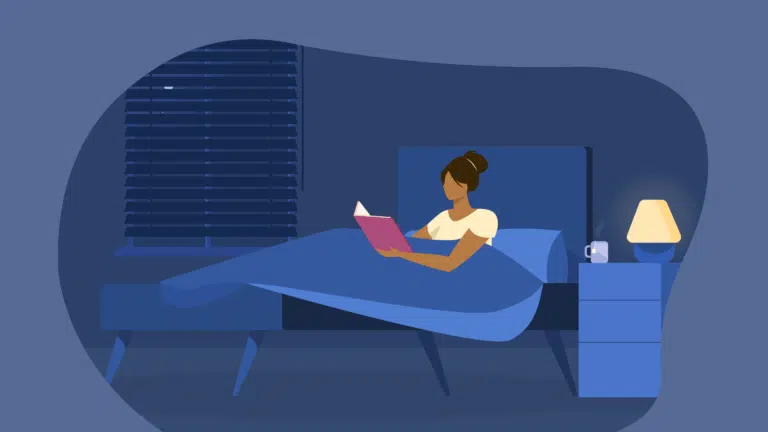
Quality sleep becomes both more crucial and more elusive during menopause. Invest in breathable, moisture-wicking bedding and a cooling pillow for extra comfort if it is within your budget. To combat night sweats, and keep your room cool – aim for a temperature of around 18°C. Limit blue light exposure before bed – try reading a physical book instead of scrolling on your phone. For more tips on enhancing your sleep quality, check out our Sleeping Better Course.
6. Focus on connecting with others
Menopause can feel lonely, even if you’re surrounded by people. Many women report feeling misunderstood during this transition. That’s why intentional connection is so crucial. Seek out others who are in the same boat – whether through your existing friendships, local meetups or online forums. These connections can provide validation, practical tips, and often much-needed humour about menopause. Consider mentoring and sharing your hard-earned wisdom with others to increase your sense of purpose and connection. Opening up about your menopausal journey might feel scary, but it often leads to deeper, more authentic relationships. Discover more about strengthening your relationships here.
📝 A Note on Hormone Replacement Therapy (HRT)
While lifestyle changes can significantly improve your menopausal experience, some women find an additional reduction in symptoms through hormone replacement therapy (HRT). The benefits of HRT usually outweigh the risks, however, it isn’t right for everyone. If you’re considering HRT, have an in-depth conversation with a healthcare provider who’s well-versed in menopausal care. They can help you understand the latest research and determine if it’s the best solution for your individual needs.
Reframing the Transition
Now that we’ve explored strategies to support your well-being during menopause, let’s consider some of the positive aspects of this life change. Menopause undeniably carries a negative narrative, often focusing on what can be lost, which can be disempowering. Although it’s certainly true that menopause brings many difficulties and challenges, it can also bring unexpected benefits that are often overlooked.
Anthropologist Margaret Mead coined the term ‘’postmenopausal zest’’ to describe findings from a study that found optimism rising in people in their 50s. Mead suggested that this period is often accompanied by an increase in creativity, productivity, and a generally positive outlook on life. The idea of ‘postmenopausal zest’ emphasises that the transition not only signifies an end but also the beginning of a new, fulfilling phase of life. Let’s look at some more benefits below:
• The end of menstrual symptoms: For many women, getting a period is so routine that it might be easy to overlook just how much physical, mental, and emotional toll the menstrual cycle can take on well-being. Hormonal changes govern the menstrual cycle, with fluctuating hormones causing menstrual symptoms that range from irritating to debilitating. Many women suffer premenstrual syndrome (PMS), with symptoms such as bloating, low mood, irritability, and headaches. During the menstruating phase of life, many women also feel the general pressures of fertility, whether they choose to have children or not. As emotionally complicated as it might be to age out of this experience, suddenly having the freedom to focus on other things in life can also be extremely freeing.
• Sex without pregnancy worries: Women in menopause can enjoy sex without having to think about a possible pregnancy. For many, not worrying about contraception, such as taking a daily birth control pill, can be freeing. However, it’s important to note that women need to wait for 12 consecutive months without a period — before stopping using contraception. Additionally, unprotected sex comes with risks, so remember to get checked regularly for STIs and use condoms.
• More creativity and wisdom: Many women notice creative energy at this stage of their life transition. From creatively sharing their wisdom with others in the form of teaching, managing, writing, painting, or any other endeavour that utilises their knowledge, skills and life experience.
• Increased confidence: After more life experience, women are more likely to go after what they want with a greater sense of confidence in their 40s, 50s, and beyond. Many people report knowing themselves better with age and growing in confidence. Although this does not specifically correlate with menopause, the general timeframe when the transition occurs often brings these benefits.
Menopause and perimenopause are complex transition periods. While there’s no one-size-fits-all approach, focusing on strengthening your well-being can help you to navigate changes more effectively. Remember, reach out and seek support when needed, whether from healthcare professionals, loved ones, or others going through similar experiences.
💡Do you need more guidance navigating this phase of life? Book a session with a psychologist or lifestyle expert to receive personalised guidance.
FAQs About Menopause
How do you know if I’m going through menopause?
You might start to notice menopause when your periods become less regular or you begin to feel new physical or emotional changes. This often starts in perimenopause, which is the time before menopause. Some common signs are irregular periods, hot flashes, night sweats, trouble sleeping, mood changes, and changes in your energy or sex drive. Everyone’s experience is different, and symptoms can come on slowly, so they can be easy to miss at first. It can help to keep a record of your symptoms and talk to your GP if you’re not sure what’s going on.
How long does menopause last?
Menopause often lasts about 7 to 9 years, but it’s different for everyone. Your symptoms might not stay the same the whole time; they can come and go. Perimenopause, which is the lead-up to menopause, can start between ages 40 and 44 and usually lasts a few years. Menopause is when your periods stop for good. Even after that, you might still have symptoms as your body gets used to new hormone levels.
Will I feel better after menopause?
Yes, many women do feel better after menopause. Symptoms and hormone changes often settle down, and you might find you feel calmer, more confident, or clearer about what you want. Some women also notice more energy or creativity. With healthy habits and support, life after menopause can be a good new chapter. Still, everyone’s experience is different, and it can take a while to feel balanced again.